Design Insights August 10, 2026
By Zaina Rafique
India's next growth story is already active outside the usual metro map.
It is visible in smaller cities, district towns, and rural markets where people are buying online, paying digitally, building businesses from their phones, and discovering brands through content before they ever enter a store or visit a website.
The numbers make this shift difficult to ignore. India crossed 950 million active internet users in 2025. The IAMAI and Kantar report placed the active internet user base at 958 million, with rural India accounting for 57 percent of these users.
Yet many companies still build growth strategies around the most familiar urban user.
Their product language assumes confidence, interface assumes stable internet, onboarding assumes digital comfort, and payment journey assumes user trust.
India's growth is widening faster than many companies are redesigning for it.
The market has already moved
Metro India gave companies an easy starting point for years.
It had stronger spending power, better internet access, and early app adoption. It also had users who were easier to study because their behaviour matched the first wave of Indian consumer tech.
That starting point shaped how companies understood the Indian digital user. Today, demand is coming from a much wider India.
Smaller cities are changing how people shop, pay, learn, and discover brands. BCG's 2026 connected commerce report says India's ecommerce market is expected to reach $280 to $300 billion by 2030. The report also points to growth from smaller cities, rural consumers and connected journeys where online and offline behaviour work together.
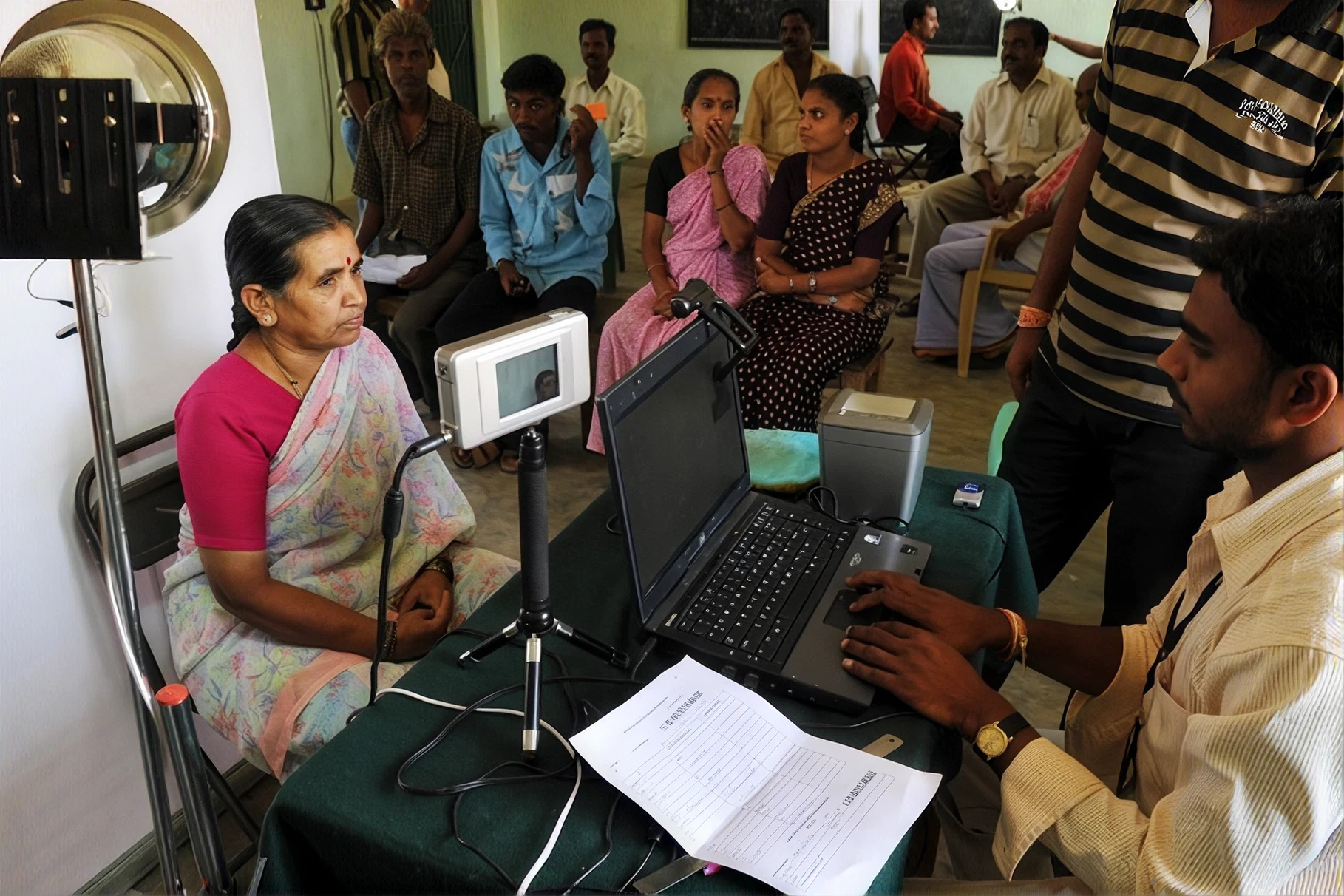
This changes the kind of user companies must understand.
A brand may be discovered through a creator, checked through reviews, discussed within a family, compared online and trusted only after the return policy or payment option feels familiar.
That is a very different journey from the clean metro funnel many companies still design around.
One urban user cannot define all of India
The most visible Indian user has become the easiest one to design for.
This user understands app patterns, is comfortable with English led interfaces, is used to digital payments. Their behaviour feels familiar to many teams because it is closer to the people making product and business decisions.
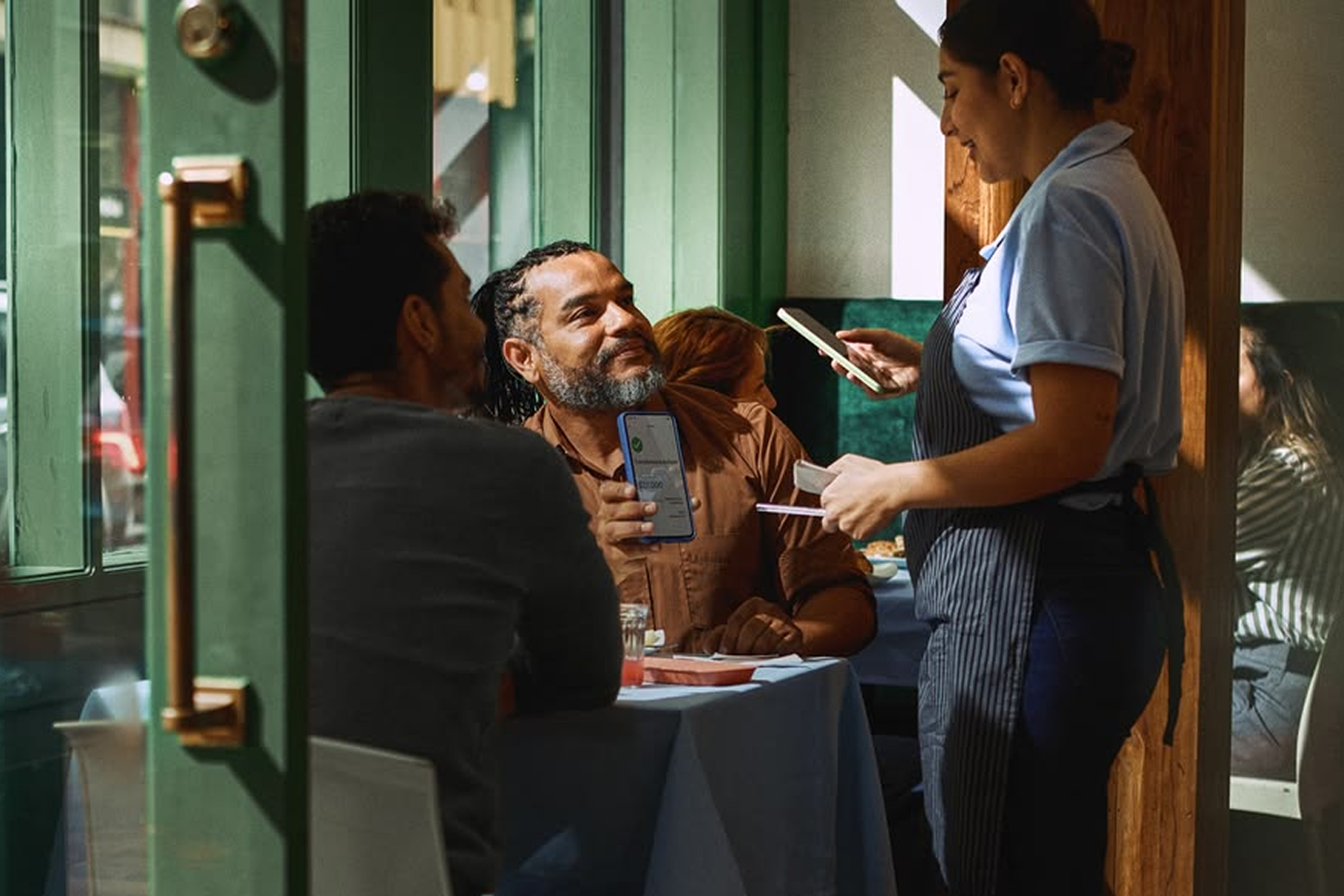
The risk appears when this user becomes the default idea of India.
Campaigns begin to speak in the same tone. Interfaces begin to follow the same references. Product journeys begin to assume the same level of comfort.
This creates a crowded room at the top of the market.
Smaller cities bring different expectations into the same digital economy. Users may look for familiar language, stronger proof, visible support, and more reassurance before they act.
A wider market needs a wider idea of the user.
India's access story is strong
The 2025 Comprehensive Modular Survey on Telecom found that 92.7 percent of rural people aged 15 to 29 had used the internet in the previous three months. The figure was 95.7 percent for urban users in the same age group.
Access has increased the size of the opportunity.
Confidence decides how much of that opportunity converts.
A user may have internet and still hesitate during payment. A user may own a smartphone and still struggle with a heavy interface. A user may watch videos daily and still feel unsure while filling a financial or healthcare form.
CEDA's 2025 analysis shows that 16.7 percent of rural households lacked internet access compared with 8.4 percent of urban households. It also found that only 3.8 percent of rural households had optical fibre internet access compared with 15.3 percent of urban households.
For companies, this changes how growth should be designed.
Smaller cities need sharper strategy
Tier 2 and Tier 3 India should shape strategy from the beginning.
A local business owner may manage orders on WhatsApp and collect payments through UPI. A student may learn through mobile first platforms and rely on regional explainers before paying for a course. A family may discover a product online and discuss the purchase offline before trusting it.
The behaviour is already active. The design needs to meet it properly.
A sharper strategy studies the points where users need speed, reassurance and clarity. It also studies where language affects confidence and where trust breaks because the product feels distant.
This can change simple parts of the experience.
The first screen. The onboarding. The payment cue. The support placement. The return policy. The way value is explained.
These may look like product details. For the user, they decide whether the product feels usable.
Digital reach does not always mean digital fit
A user may have access to a product and still feel that the experience belongs to someone else.
The app is available, but the interface feels heavy.
The page opens, but the language feels unfamiliar.
The payment step appears, but the trust cues arrive too late.
This kind of exclusion hides behind reach, traffic, downloads, and acquisition numbers. The user is counted as part of the market. The experience still favours the most digitally fluent audience.
For a country like India, this is a serious design and business question. Digital progress should be measured by how many people can use digital systems with clarity and confidence.
Growth strategy has to become wider
Companies looking at India's next phase need to rethink how they build for growth.
Tier 2 and Tier 3 India should influence the original strategy from day one. That begins with studying how people in different regions search, compare, pay, ask for help and recommend.
It also means taking local behaviour seriously.
What feels familiar? What creates doubt? What kind of language feels natural? What support do people expect? What role do family, creators, retailers and local proof play in the decision?
These questions shape conversion, retention, support cost and brand trust.
At SandCup, we see this as both a business and design responsibility.
The next phase of growth will belong to companies that understand this early.
Be a part of our world and gain more insights on design and innovation!