
Bringing Control to Fuel Movement Across Nigeria's Oil & Gas Network
An operational system for fuel logistics, fleet visibility, safety, and financial control at scale
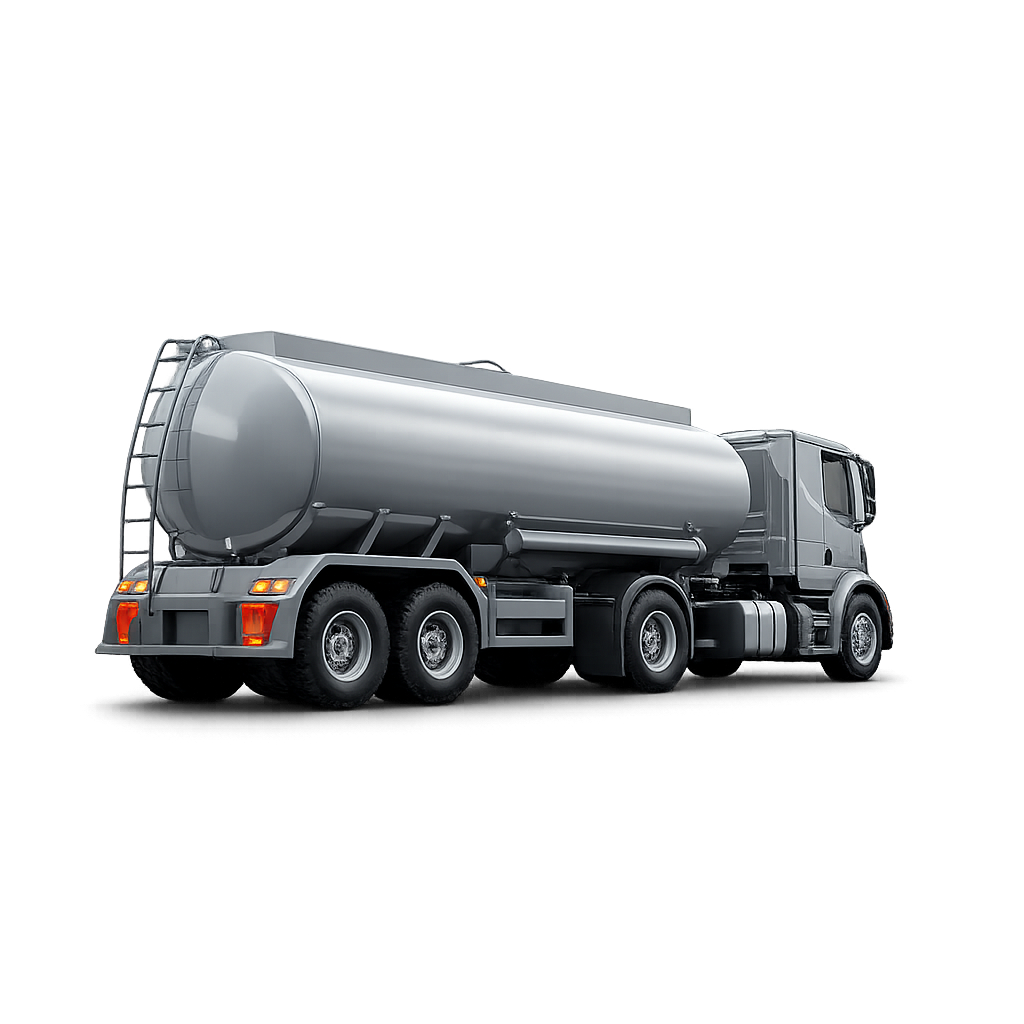
Nigeria moves over 66 million litres of fuel daily, with more than 90% transported via road tankers across long-haul routes.
Built for Nigeria's Ground Reality
Transporter brings end-to-end oversight across fuel logistics, from dispatch to validation to final settlement within a unified system.
DAILY TRANSPORT VALUE
Secured through stronger operational control — a direct result of tightening process visibility across every corridor.
FLEET SCALE
Grew from ~10,000 to ~15,000 trucks without operational breakdown — a 50% increase in managed fleet size.
Fuel Distribution Carries More Risk Than Volume
Fuel theft, tanker explosions, and route diversion make control a business-critical requirement.
~200,000 barrels lost daily due to fuel theft
1,800+ deaths linked to tanker explosions between 2009 and 2025
Limited visibility increases diversion and delivery manipulation risk
These pressures exposed a deeper gap: movement, verification, and financial flows remained fragmented, increasing risk across Nigerian fuel logistics.
As Operations Grew, Control Weakened
The client operated thousands of trucks daily, while core operations remained disconnected.
No synced visibility across movement
Manual vouchers and billing flows
Weak safety enforcement
Limited coordination between depots, drivers, and management
Delayed reconciliation and revenue leakages
Fuel dispatch, validation, and movement were all influencing the same trip, without a system to direct and align them.
Critical operational gap: Execution scattered across logistics.
Need for a system that could bring monitoring, fleet verification, and stakeholders into one comprehensive space.
Transporter: Anchoring Efficiency and Oversight
We partnered with our client and stakeholders to centralize fuel operations, optimizing how trips are planned, executed, and reconciled.
Downstream execution improved through cohesive decision flows
Routing
Directly influences fuel usage and trip reliability
Cargo Validation
Determines what is dispensed and later reconciled
Financial Settlement
Driven by verified data
Built for Oil & Gas, Not Generic Logistics
A key gap in traditional systems is uniform logic applied to non-uniform operations. Fuel logistics operates under constraints that standard transport systems are not designed to handle.
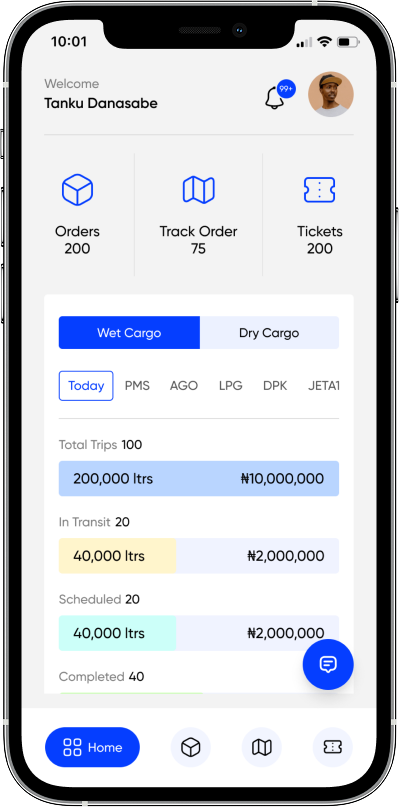
Built specifically for fuel, Transporter structures context-aware workflows for dry and wet cargo separately.
Wet Cargo (Fuel)
Preloading safety validation, volume-sensitive handling, and controlled dispensing under strict safety requirements
Dry Cargo
Weight verification and loading logic
Compartmentalized fuel tankers are validated at sub-tank level to prevent partial diversion or overload.
Discrepancies are identified early, preventing fuel loss and mishaps across long routes.
Enabling Unified Control
Transporter aligned three critical layers across the operation.
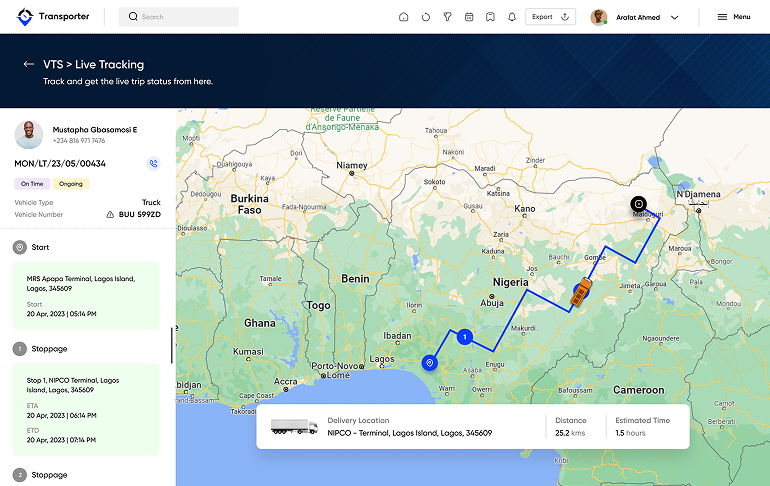
Visibility across movement
A clearer view of vehicles, cargo, routes, and emerging disruptions
Control during execution
Alignment across planning, routing, approvals, and live response
Accountability across finance
Linkage between fuel usage, validation, vouchers, and settlement
One Version of Truth for all Stakeholders
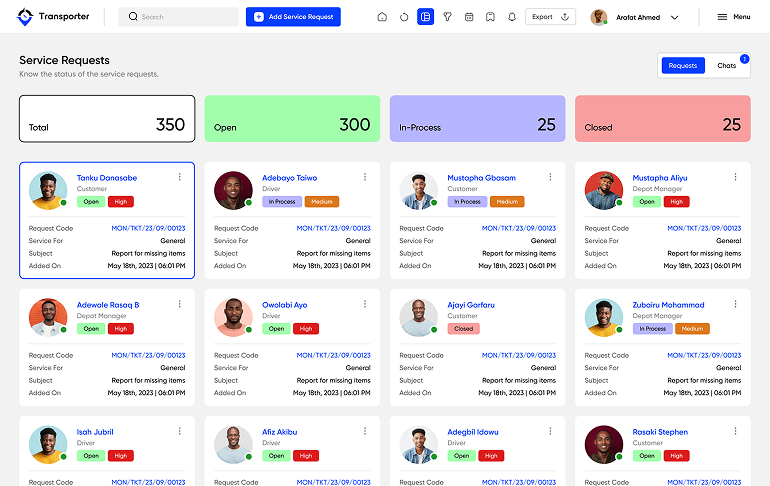
Fuel movement depends on multiple stakeholders across different locations, including drivers, depot operators, customers, and financial teams.
Participation, data, and responsibilities remain consistently aligned throughout trips.

Drivers
Execute trips through defined operational checkpoints.
Depot Teams
Manage loading, fleet checks, validation, dispensing, and supervision.
Customers
Gain visibility into shipment progress and delivery status.
Financial Teams
Work with structured transaction data for accurate reconciliation.
Every contributor works within the same system, improving coordination and accountability.
Integrated into Operational Infrastructure
Transporter connects movement with infrastructure:
Physical operations are converted into traceable, structured data.
Engineered to be Tough
A high-stakes industry like oil and gas demands systems that perform consistently under constraint.
Transporter was deployed across low-connectivity environments, high-risk corridors, and multilingual teams, conditions that define everyday fuel transport.
It maintains steady performance in challenging environments, from high-volume haulage to safety-critical tasks and limited connectivity.
The Impact Speaks for Itself
The operation became more controlled, more traceable, and no longer affected by fragmented coordination.
The fleet expanded to 15,000 trucks, transporting fuel worth over ₦40 billion daily.
Reduction in Operational Costs
Reduction in Fuel Wastage
Improvement in Safety Compliance
Drop in Manual Coordination Load
Implementing Transporter has been a game-changer for our fleet management. It's like having a digital co-pilot that ensures safety, efficiency, and control every step of the way.
Mr. Dantata
CEO, MRS Oil Nigeria