Design Insights July 25, 2026
By SandCup
For a long time, design has been treated as garnish. Once the product is built, once the idea is finalized, design steps in to make it look better.
That myth is finally fading away!
In the digital economy, design sits closer to the center. It shapes how products work, how people experience them, and how decisions are made along the way. It influences what gets built, what gets removed, and what actually reaches the user.
This is where design-driven businesses begin to look different.
They don’t treat design as a layer. It becomes part of how the business thinks and operates. And over time, that shift becomes clearly visible in better products and more meaningful relationships with customers.
What It Means to Be a Design-Driven Company
Being design-driven means treating design not as a department, but as a mindset that influences strategy, culture, and execution across the organization.
Design-led companies place the user at the center of decision-making. They use insights from research to shape products, services, and experiences. Instead of relying only on assumptions, they adopt design thinking in business, experimenting with ideas, testing them quickly, and improving continuously.
This approach helps companies move from simply building products to creating digital product experiences that truly resonate with customers.
Key traits of design-driven businesses include:
1. User-centric approach at every stage
Every decision begins with understanding the customer’s needs, behaviors, and pain points. This focus on customer-centric design ensures products are relevant and useful.
2. Experimental and agile mindset
Design-led organizations test ideas quickly, learn from real feedback, and iterate constantly. This continuous improvement is essential for design-led innovation and sustainable growth.
3. Strong design culture in organizations
Design is embedded across teams, not isolated within a single department. Collaboration between designers, engineers, and business leaders strengthens design leadership in organizations.
How Design Drives Business Growth
Research consistently shows the impact of design on business growth. According to McKinsey’s Design Index, companies that rank in the top quartile of design maturity in companies grow revenues 32% faster and deliver 56% higher shareholder returns than competitors.
Here are some ways design creates real business impact as a growth driver.
1. Better Customer Experience Leads to Higher Revenue

Design shapes every touchpoint of the customer journey. A seamless, intuitive customer experience design keeps users engaged, increases conversions, and ultimately drives revenue.
When companies invest in user experience and business success, customers find it easier to discover, purchase, and use products.
2. Design Becomes a Powerful Differentiator
As products and features become increasingly similar, design often becomes the factor that sets companies apart.
Thoughtful design strategy helps create memorable interactions, a distinctive brand identity, and consistent product experiences. Competitors may replicate features, but replicating great design is much harder.
3. Better UX Improves Customer Lifetime Value
Good UX reduces friction and builds trust. When customers enjoy using a product, they stay longer, use it more often, and recommend it to others.
This is where UX design business impact becomes visible. Improved usability strengthens loyalty, increases retention, and maximizes product design and business growth over time.
4. Design Reduces Product Risk
Design is not just about aesthetics. It helps organizations validate ideas early.
By embedding human-centered design, user research, and rapid testing into product development, teams can identify potential problems before launch. This reduces costly mistakes and improves the chances of achieving a strong product market fit.
The Four Pillars of Design-Driven Growth
McKinsey’s Design Index highlights four practices that connect design strategy with financial performance and business transformation through design.
Analytical Leadership
Using data and insights to guide design decisions and align them with business objectives.
Cross-Functional Collaboration
Bringing together design, engineering, and business teams to deliver cohesive solutions.
Continuous Iteration and Testing
Adopting agile methods to refine products and experiences quickly.
User-Centric Approach
Ensuring customer needs remain central to every design decision.
Together, these practices help organizations build design systems in organizations that support consistent and scalable product development.
Examples of Design-Driven Companies
Many globally successful companies demonstrate the impact of design-led innovation.
Apple
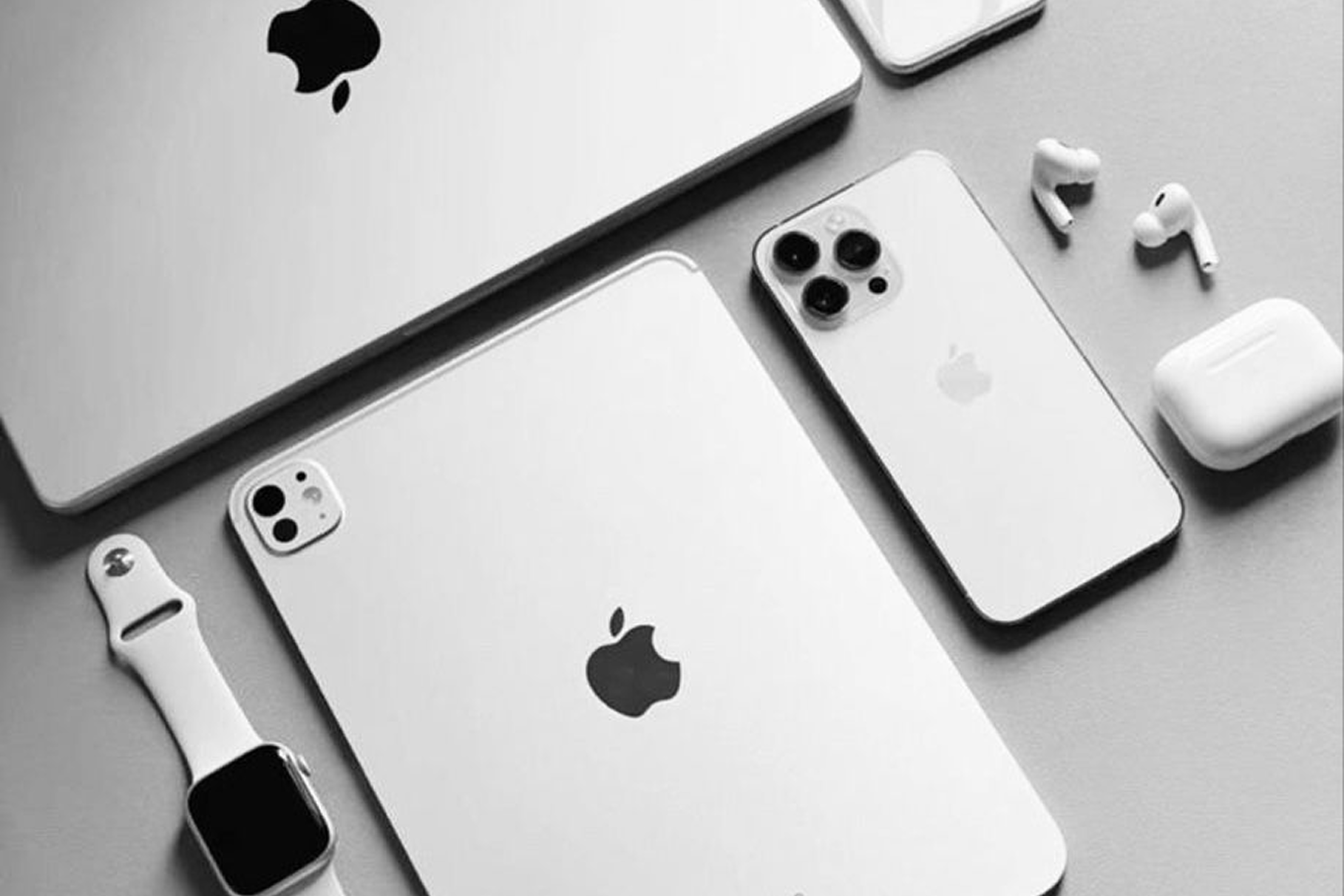
Apple’s products are known for their simplicity and seamless ecosystem. Its consistent focus on product design, usability, and integrated experiences keeps customers loyal and encourages repeat purchases.
Airbnb

Airbnb built its global success through customer experience design. Features like intuitive search, transparent reviews, and personalized recommendations make bookings simple and trustworthy.
These examples show how design-driven businesses combine product thinking, user insight, and design leadership to build strong brands and long-term growth.
Great Design Is a Growth Engine
When companies invest seriously in strategic design in business, the results often become visible across the organization. Products become easier to use, customer relationships become stronger, and market positioning becomes clearer.
Organizations that build a strong design culture in organizations and prioritize innovation through design are better equipped to adapt to changing customer expectations.
For design-driven businesses, design is not an afterthought. It becomes a guiding force that shapes product decisions, business strategy, and long-term direction.
At SandCup, we partner with organizations that are building with this mindset, where design is part of how decisions are made and how systems evolve over time. By combining design thinking, technology, and practical business understanding, we build products and experiences that move them forward.
Be a part of our world and gain more insights on design and innovation!